How to Choose the Right Scaffolding for Your Project
A practical guide to selecting the safest, most efficient scaffolding — without over-engineering or under-specifying.
Colossus Scaffolding Team
CISRS-qualified scaffolders
How to Choose the Right Scaffolding for Your Project
A practical guide to selecting the safest, most efficient scaffolding — without over-engineering or under-specifying.
Choosing scaffolding isn’t about picking a standard package or default setup. It’s about matching the access solution to the work being carried out, the conditions on site, and the level of risk involved.
When the right scaffold is chosen early, projects tend to run more smoothly. Trades can work safely and efficiently, materials can be handled properly, and costly changes or delays are avoided. This guide explains how to make the right decisions from the outset, in plain, practical terms.
At a glance: how to choose correctly
Choosing the right scaffold comes down to a small number of core principles:
- Start with the work, not the scaffold
- Match the scaffold type to the access requirement
- Factor in site constraints early
- Expect clear safety and inspection standards
- Better information upfront leads to more accurate pricing
Start with the work (not the scaffold)
The most common mistake is asking for “scaffolding” without clearly defining the job. Different tasks place very different demands on access equipment, even when they’re at similar heights.
Before any scaffold is designed, it’s important to understand:
- What work is being carried out (roofing, rendering, brickwork, maintenance)
- How high operatives need to work
- How long the scaffold will remain in place
- Whether materials will be stored on the scaffold
- How many people will be working from it at the same time
A short-term painting job and a multi-week roof replacement may look similar from the ground, but they require very different access solutions once load, duration, and movement are considered.
Common types of scaffolding (and when to use them)
There are several established scaffolding systems used across residential and commercial projects in the UK. Each is suited to specific types of work and site conditions.
| Scaffold type | Best used for | Advantages | Key considerations |
|---|---|---|---|
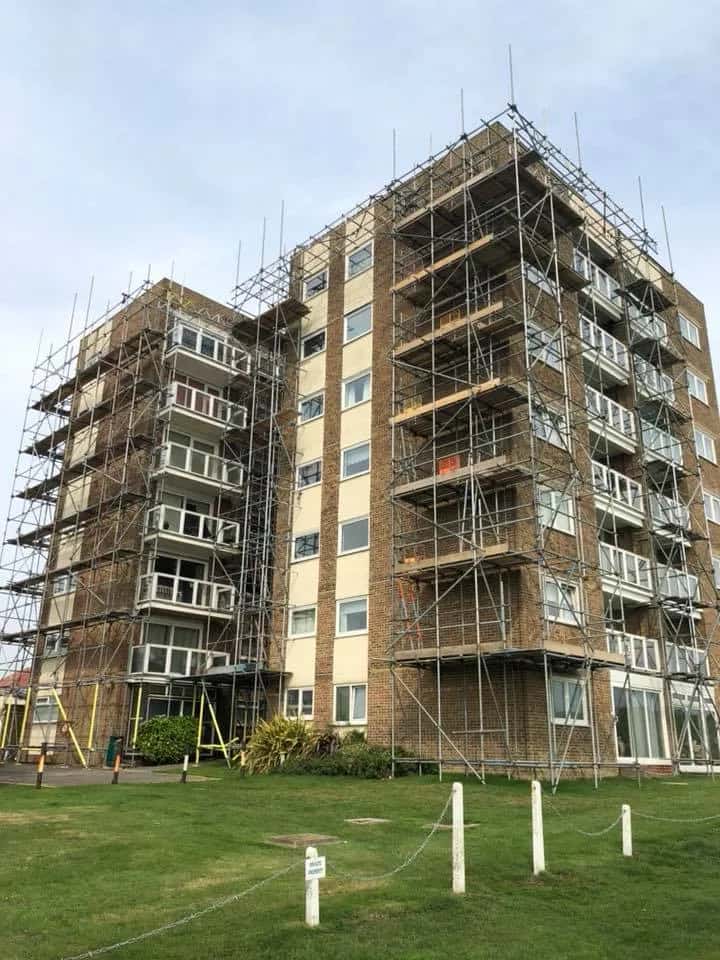
| Independent (tied) scaffolding | Renovations, roofing, repointing | Stable, versatile, industry standard | Requires secure ties to the structure |
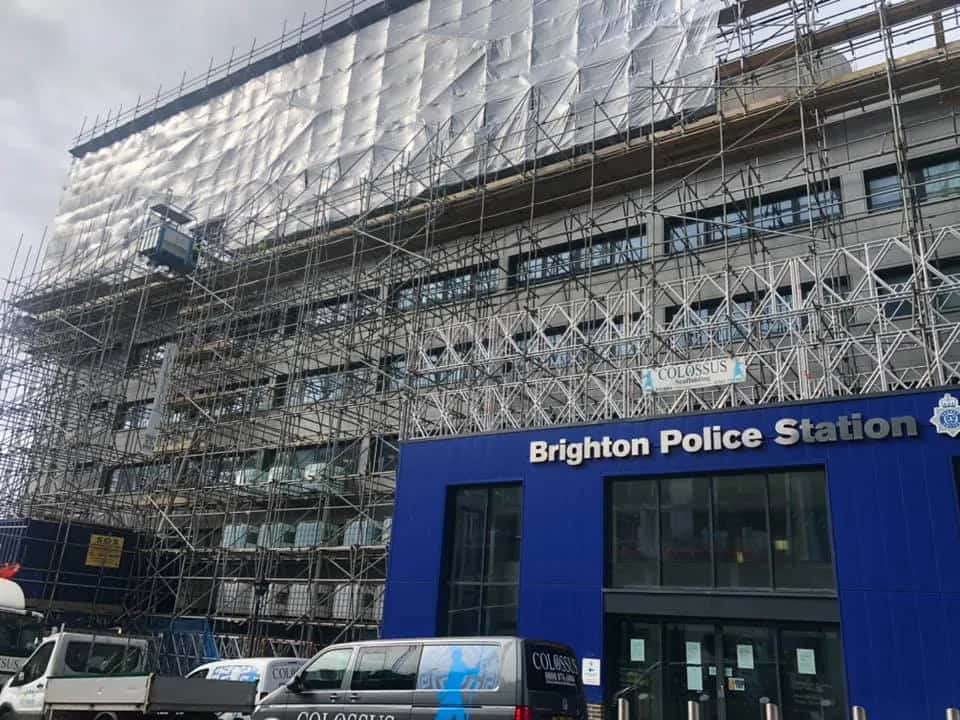
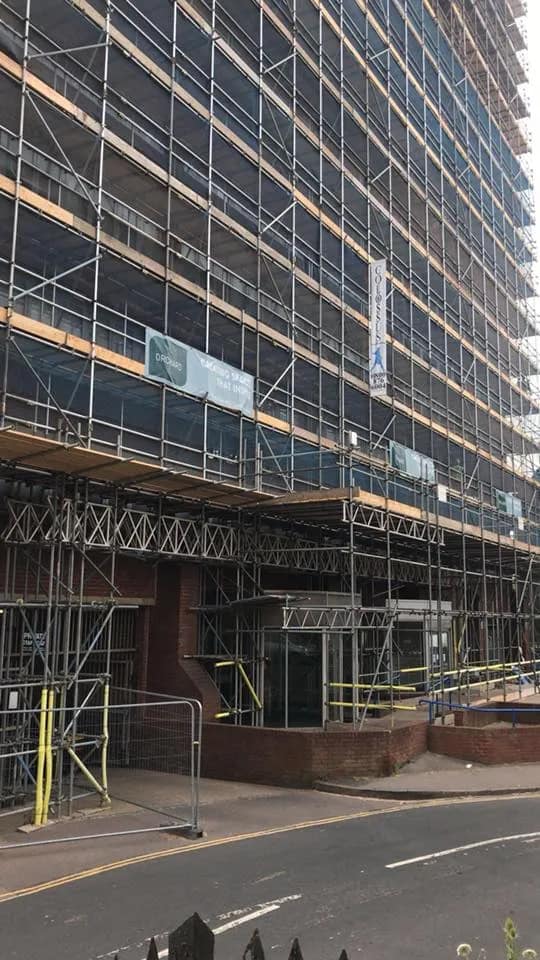
| Facade scaffolding | Full building elevations | Continuous access for multiple trades | Boundary or pavement coordination may be required |
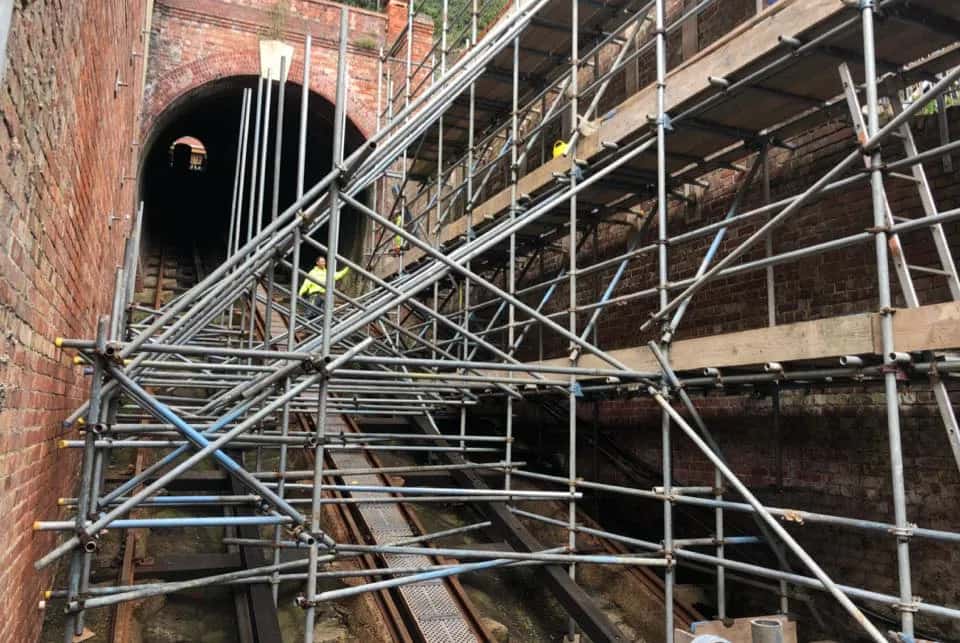
| Tube & fitting / modular systems (e.g. Ringlock) | Complex or irregular structures | Highly adaptable, fast assembly | Design depends on site complexity |
| Single scaffolding (bricklayer’s) | Brickwork along one face | Cost-effective for masonry | Limited use outside brickwork |
| Double scaffolding | Stone or heavy masonry | Extra strength and stability | Uses more materials |
| Birdcage scaffolding | Interior ceiling or large flat areas | Full working platform | Requires clear floor space |
| Cantilever / bridged scaffolding | Conservatories or fragile roofs | Avoids loading weak structures | Often requires specialist design |
| Suspended scaffolding | Cleaning or façade maintenance | No ground obstruction | Limited to specific tasks |
| Mobile scaffold towers | Short-duration or internal works | Quick to move and erect | Not suitable for heavy or long-term work |
As a general rule, if the work involves height, duration, or multiple trades, a fixed scaffold is usually safer and more efficient than temporary alternatives.
Match the scaffold to your project
Different types of projects naturally favour different scaffolding solutions.
Residential projects often require access or facade scaffolding for roofing, chimneys, or rendering, with cantilevered solutions where conservatories or extensions are present.
Commercial buildings typically benefit from modular or tube-and-fitting systems that allow flexibility, continuous access, and enhanced edge protection for multiple trades.
Interior or refurbishment work may be better suited to birdcage scaffolds or towers, depending on the size of the area and the duration of work.
The right choice balances safety, access efficiency, and cost — not just height.
Site constraints that affect scaffold design
Two similar buildings can require very different scaffolding once site conditions are considered. Ground conditions, access routes, and surrounding properties all influence design.
Common constraints include:
- Soft ground, slopes, basements, or drains
- Bay windows, porches, extensions, or conservatories
- Narrow access routes or long carry distances
- Pavements, roads, or shared public areas
- Close neighbouring properties
Identifying these early avoids redesigns, delays, and unexpected costs.
Safety and compliance: what good looks like
You don’t need to know every regulation to recognise good practice. A properly installed scaffold should provide safe access, secure platforms, and clear edge protection, and it should never be rushed into use.
At a minimum, you should expect:
- Proper ladder or stair access
- Guardrails and toe boards where required
- Suitable foundations and base plates
- Correct ties or anchoring
- A formal handover confirming the scaffold is safe to use
- Ongoing inspections, especially after changes or bad weather
If safety is treated as an afterthought, that’s a warning sign.
What affects scaffolding cost?
Scaffolding costs are driven more by complexity than by height alone. Additional lifts, bridging, public protection, restricted access, and duration on site all affect price.
Clear information at the quoting stage reduces the likelihood of changes later and helps keep projects on track.
What to provide for an accurate quote
Providing clear details upfront allows scaffolding to be designed correctly from the start. Useful information includes:
- Property address and postcode
- Description of the work
- Highest working point
- Elevations requiring access
- Known obstacles
- Whether scaffolding affects a pavement or road
- Expected start date and duration
- Site photos showing access and constraints
Want the right scaffold without the guesswork?
Tell us what you’re planning and we’ll recommend the safest, most suitable solution for your project — with clear pricing and no surprises.
Get a Free Quote
Request a Site Survey
FAQs
Do I always need scaffolding for roof work?
In most cases, yes. Scaffolding provides stable access, edge protection, and safer material handling than ladders.
Is a scaffold tower cheaper?
Sometimes, but towers are only suitable for specific short-term tasks and are not a replacement for full scaffolding on larger jobs.
Can scaffolding go over a pavement?
It can, but additional controls and permissions may be required depending on the setup.
How long does scaffolding take to erect?
This depends on complexity and access, but simple scaffolds can often be installed quickly, while more complex designs take longer.
Written by the Colossus Scaffolding Team — CISRS-qualified scaffolders serving the South East.
Topics
About the Author
Colossus Scaffolding Team
CISRS-qualified scaffolders
Our team of industry professionals share their expertise to help you make informed decisions about your construction and maintenance projects.
Need Professional Scaffolding Advice?
Our expert team is ready to help with your scaffolding requirements across the South East. Get a free consultation and quote today.